
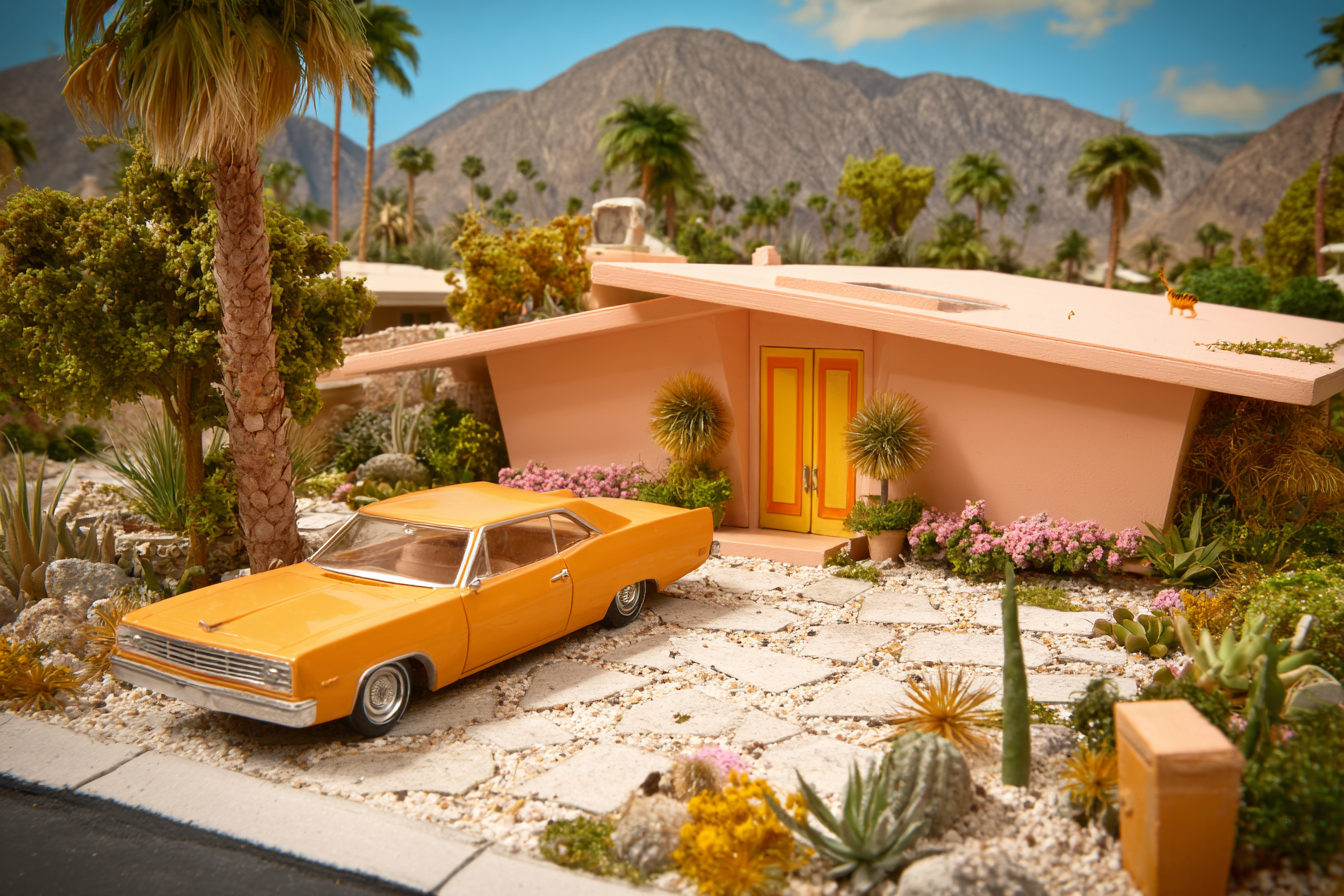
The Dementia Village Mirage
Why fake 1950s diners and indoor parks are designed to soothe your guilt, not your parent's mind.
The fake movie theater lobby has a vintage popcorn machine that doesn't work. Next to it, a faux 1950s diner features a static jukebox and plastic milkshakes glued to the counter. You are standing in a modern memory care facility that costs $9,500 a month, and you are being sold a very expensive lie designed entirely for your guilt.
The direct answer
The theatrical designs of modern memory care—often modeled after the famous Hogeweyk 'dementia village' in the Netherlands—are brilliant marketing tools aimed at adult children, not therapeutic environments for residents. While a true, self-contained Dutch village works due to massive state funding and high staffing, American imitations are usually just indoor hallways with retro decals. To find real safety and comfort, you must look past the plastic milkshakes and analyze the hard data: staffing ratios, turnover rates, and federal CMS and state inspection data.
The High Cost of Therapeutic Theater
Let's talk about the math of the illusion. The average cost of memory care in the United States now hovers around $6
More from Care Navigation → · Back to Perch · Browse all stories