
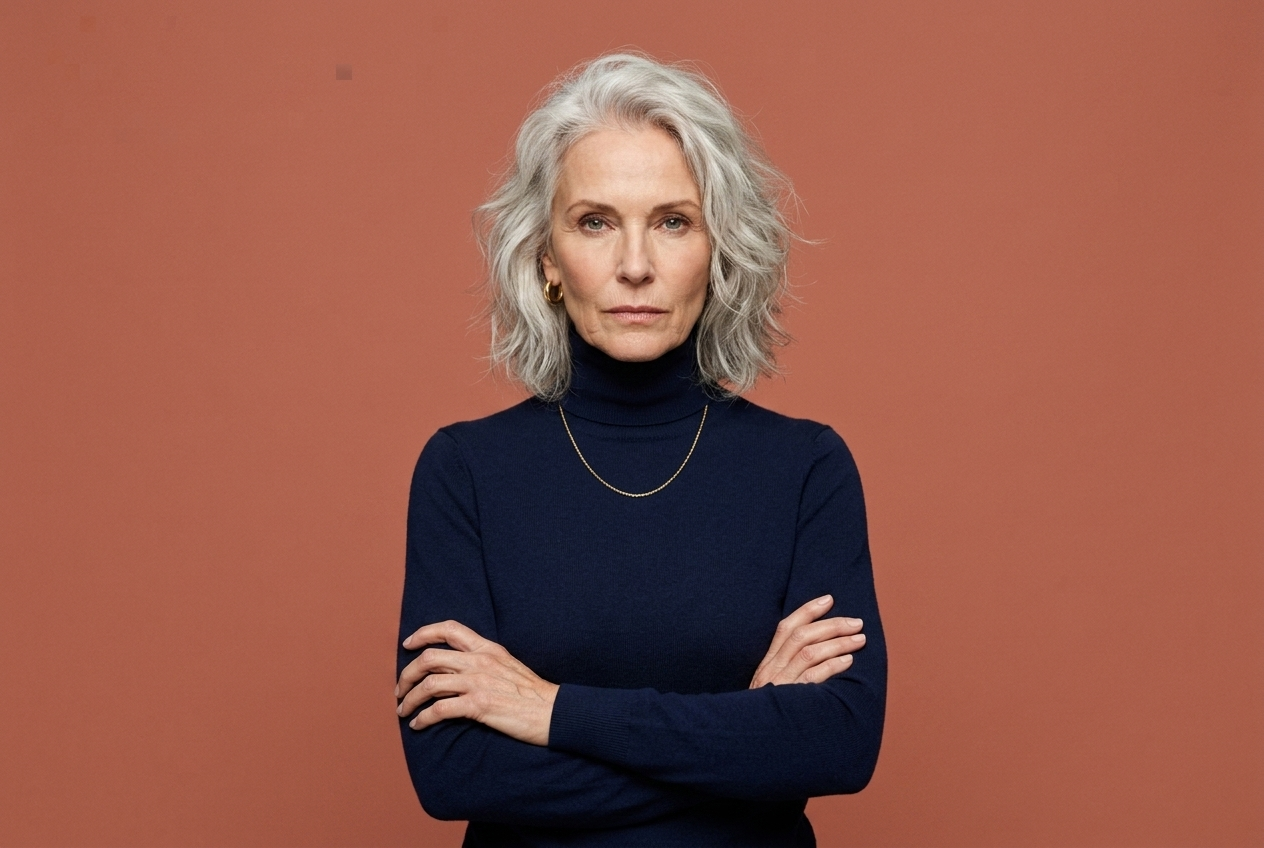
The Cool Aunt Tax: Why Childless Boomers Are Quietly Planning to Hijack Their Nieces’ Prime Career Years
Why childless Boomers are quietly relying on family ties for future care—and how to stop the train before it derails.
Sarah is 38, chasing a partnership track at her law firm, and raising a toddler. Her aunt, Clara, is 69, childless, fiercely independent, and lives three states away with a collection of mid-century modern furniture. Last week, Clara offhandedly mentioned that if she ever got sick, she knew Sarah would "sort things out" because they have always been so close.
The direct answer
The unspoken expectation that nieces and nephews will step in as primary caregivers is a financial and emotional train wreck in the making. Resolving this requires moving from emotional assumptions to binding legal and financial structures before a crisis hits. If your aunt or uncle expects your help, they need to formalize that expectation with a power of attorney, a clear asset allocation plan, and a realistic assessment of when professional care is required.
The Math of the Unspoken Obligation
Let’s look at the numbers because affection doesn't pay the mortgage. The average family caregiver spends 24 hours a week providing unpaid support, a workload that frequently forces women in their 30s and 40s to scale back their corporate ambitions or exit the workforce entirely. For a niece earning $95,000 a year, taking a step back to manage an aunt’s decline can cost hundreds of thousands of dollars in lifetime earnings, social security contributions, and career momentum.
Many childless Boomers assume that because they are leaving their estate to their nieces, the ledger is balanced. But an estate worth $300,000 in home equity can be entirely wiped out by eighteen months in a nursing home or a long-term memory care stay. The niece who sacrifices her career to provide unpaid labor often ends up with nothing but burnout and a stalled resume, while the actual estate assets vanish into the care ecosystem.
We need to talk about the "niece premium" honestly. If you are the designated savior, you are being asked to underwrite a complex care plan with your own prime career years. This is not a casual favor; it is a massive financial transfer from the younger generation to the older one, disguised as family loyalty.
The Illusion of the 'I'll Just Stay Home' Plan
The most common strategy among independent, childless adults is no strategy at all. They tell themselves they will remain in their beloved homes forever, ignoring the statistical reality that roughly 70 percent of people over 65 will eventually need some form of long-term care support. When a crisis occurs—a broken hip, a stroke, or the slow onset of cognitive decline—the "stay home" fantasy collapses, and the burden of managing the sudden fallout lands squarely on the nearest relative's shoulders.
Without a formal plan, a niece living three states away becomes an unpaid, long-distance air traffic controller. She spends her lunch hours arguing with insurance companies, researching local home care services, and trying to decipher
More from Family Dynamics → · Back to Perch · Browse all stories