
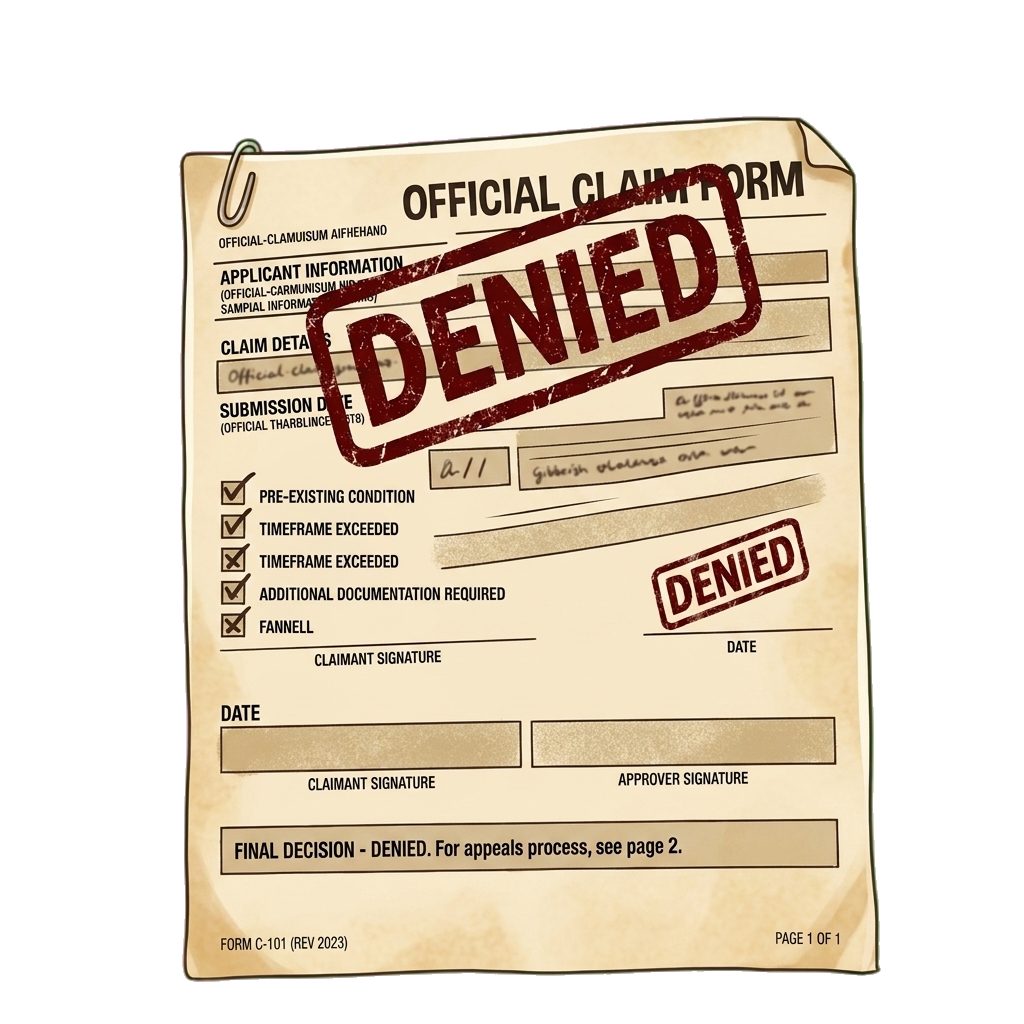
The Fine Print on Care Facility Citations: When to Worry (and When Not To)
Decoding those official notices can feel like reading a foreign language, but understanding them is crucial for making the right choice.
Get Palmelle in your Google results.
One tap. Google shows our reporting higher when you search.
Imagine this: you're deep in the weeds of finding a place for Mom, feeling the weight of every decision. Then you stumble upon a care facility's inspection report, peppered with terms like 'deficiency' and 'citation.' It's enough to make anyone’s stomach clench. But before you slam the door shut on a perfectly good option, let's untangle what these official notices actually signify.
The direct answer
A CMS deficiency citation means a care facility failed to meet specific federal or state standards during an inspection. Not all citations are created equal; some are minor administrative issues, while others point to serious failures in resident safety or care. The key is understanding the severity and pattern of these citations, not just their presence.
Not All Citations Are Created Equal
The federal government, through the Centers for Medicare & Medicaid Services (CMS), sets minimum standards for care facilities. State agencies conduct inspections to ensure these standards are met. When a facility falls short, it receives a deficiency citation. These can range from a missing signature on a document to a failure in infection control that could put residents at risk.
Think of it like a school report card. A 'C' on a pop quiz about historical dates is different from a 'D' in advanced calculus. Similarly, a citation for a paperwork error might be addressed quickly and have little bearing on daily care. However, a citation for inadequate staffing that leads to pressure sores, or a failure to properly administer medication, is a much more serious red flag.
When you see a citation, the crucial first step is to understand its nature. Was it a minor administrative lapse, or did it directly impact the well-being of residents? This distinction is paramount in assessing the facility's overall quality. A single, minor citation is rarely a cause for panic, but a pattern of serious deficiencies warrants immediate concern.
How to Read the Inspection Data
CMS provides detailed inspection reports online, and these are invaluable. You can find information on the number of inspections, the types of deficiencies found, and whether they were corrected. The Palmelle Clarity Score, which ranges from 0-100, is derived from this federal CMS and state inspection data, offering a standardized way to compare facilities. A score of 80 or above generally indicates a facility that consistently meets or exceeds standards.
Look for trends. Is a facility cited repeatedly for the same issue, like medication errors or falls? This suggests a systemic problem that management hasn't effectively addressed. Conversely, a facility that has had a few minor citations in the past but has since corrected them and maintained a good record might be a solid choice. The key is to see if problems are isolated incidents or part of a larger, ongoing pattern.
Don't solely rely on what a facility tells you or what you see on a quick tour. The federal and state inspection data offers an objective, albeit sometimes dense, view. Tools like the Palmelle Clarity Score are designed to distill this complex information into something more digestible, helping you cut through the noise and focus on what truly matters for resident safety and quality of life.
Want more of this?
Mark Palmelle a preferred source and it shows up when you search Google.
The Difference Between 'Citation' and 'Complaint'
It's important to distinguish between a standard survey citation and a citation stemming from a resident or family complaint. A standard survey is a routine inspection conducted by state surveyors. A complaint investigation, however, is triggered by a specific allegation of abuse, neglect, or a violation of resident rights.
Citations from complaint investigations can sometimes be more serious because they often arise from specific, reported incidents. If a facility has multiple citations resulting from complaint investigations, it’s a strong signal that there may be underlying issues that need thorough investigation. This doesn't automatically disqualify a facility, but it means you need to dig deeper.
Consider the timing and resolution. Were these complaint citations recent, and how has the facility responded? Have they implemented new protocols or staff training to address the issues? A facility that acknowledges problems and actively works to fix them is far more reassuring than one that dismisses or ignores them. Remember, transparency and a proactive approach to addressing concerns are good indicators.
Common mistakes
- Ignoring citations altogether.
Even minor citations can be indicators of larger issues if they are frequent or recurring. Overlooking them means missing crucial information about a facility's operational health. - Panicking over any citation, regardless of severity.
No facility is perfect, and minor administrative errors happen. Focusing solely on the presence of a citation without understanding its context can lead you to dismiss good facilities unfairly.
Frequently asked
Are paid referral services like A Place for Mom or Caring.com transparent about facility citations?
These services often prioritize facilities that pay them commissions, which can lead to an incomplete picture. They may not always highlight or fully explain citations, especially if a facility is a paying partner. It's crucial to cross-reference any recommendations with independent data sources like federal CMS reports and the Palmelle Clarity Score.
How often are care facilities inspected?
Facilities are typically inspected annually. They also undergo 'unannounced' inspections, which can happen at any time. Additionally, inspections can be triggered by specific complaints filed by residents, families, or staff.
What's the difference between a nursing home and a care facility?
While 'care facility' is a broad term that can encompass various types of residential care, 'nursing home' specifically refers to a facility that provides a high level of medical care and supervision, often for individuals with complex health needs or requiring 24/7 skilled nursing attention. Many nursing homes are also considered care facilities.
Sources


More from Care Navigation → · Back to Perch · Browse all stories
More of this, in your Google results.
Takes one tap, and it applies everywhere you search — not just this page.