
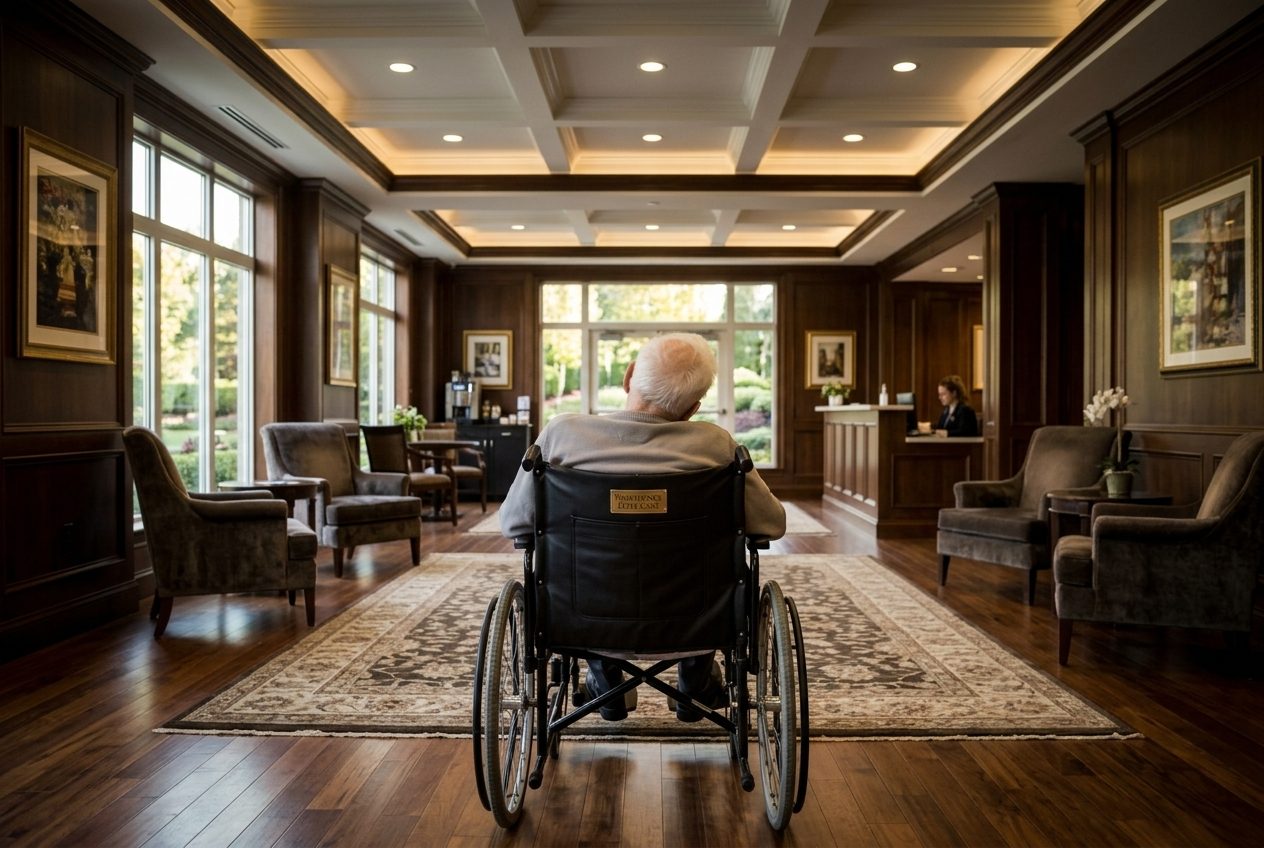
The 90-Minute Nursing Home Deep Dive: What Your Eyes and the Data Tell You
You have less than 90 minutes to make a critical decision about a nursing home. Here's how to get the most out of that time, armed with facts, not just feelings.
The smell hits you first: a faint, lingering scent of antiseptic trying valiantly to mask something else. Or maybe it’s the silence, too profound for a place meant for human connection. These are the unscripted moments that speak volumes, often more than the rehearsed tour. You have roughly 90 minutes to decide if this is the right place for someone you care about, and time is a luxury you don't have.
The direct answer
In 90 minutes, you can gather critical information by combining a targeted facility walk-through with a deep dive into publicly available federal CMS and state inspection data. Focus on resident interaction, staff responsiveness, cleanliness, and look for specific violations in the data that indicate systemic issues.
Your 90-Minute Scouting Mission: What to See and Hear
When you walk in, don't just follow the administrator. Be a detective. Spend 15 minutes in the common areas, observing. Are residents engaged, or are they largely ignored? Watch how staff interact. A quick, genuine smile, a moment of conversation, or a gentle touch speaks volumes. Conversely, hurried interactions or staff avoiding eye contact are red flags.
Next, take a discreet peek into resident rooms. Look for signs of personal touches – photos, familiar objects. Is the room clean and tidy, or does it feel neglected? Pay attention to the overall atmosphere. Is it noisy and chaotic, or calm and purposeful? Notice the dining room during a mealtime if possible; observe the food quality and how residents are assisted.
Finally, spend 10-15 minutes talking to at least two residents, away from staff. Ask them how they are treated, if they feel safe, and if they get their needs met. Ask about the food and activities. Their honest, unprompted feedback is invaluable. Also, try to speak with a nurse or aide for a few minutes about their day and what they find most rewarding or challenging about working there.
Decoding the Data: The Palmelle Clarity Score and Beyond
Before you even step foot in a facility, spend 30 minutes online with federal CMS and state inspection data. This isn't just numbers; it's a report card. The Palmelle Clarity Score, computed from this data, offers a quick benchmark, but you need to understand the details. Look for the number and severity of deficiencies cited in the last three years. A facility with a high score but several recent, serious violations needs further scrutiny.
Focus on specific types of violations. For example, deficiencies related to 'abuse, neglect, mistreatment, and misappropriation of resident property' are critical. Also, examine findings around 'quality of life' and 'resident rights.' A pattern of citations in these areas suggests deeper issues with care quality and respect for dignity.
Don't be swayed by a facility that boasts about having 'no recent violations.' Every facility has inspections. What matters is the nature of the violations and the facility's plan of action and subsequent compliance. Check if they've corrected previous issues or if the same problems keep reappearing. For example, if a facility consistently fails to meet staffing requirements, it's a recurring problem that directly impacts resident care.
The Financial Equation: What Will This Actually Cost?
Understanding the cost is non-negotiable. The average monthly cost for a nursing home can range from $7,000 to $10,000 or more, depending on the state and the level of care required. This figure often includes room, board, and basic care, but extras can add up quickly. Ask for a detailed breakdown of what is included in the base rate and what incurs additional charges. Common extra costs include therapy services, specialized equipment, incontinence supplies, and certain medications.
If Medicare is a factor, understand its limitations. Medicare typically covers short-term stays (up to 100 days) for rehabilitative purposes after a qualifying hospital stay. It does not cover long-term custodial care. This means that for ongoing nursing home needs, you'll likely be looking at private pay, long-term care insurance, or Medicaid, which has strict income and asset limitations.
Be wary of referral platforms like A Place for Mom or Caring.com. While they can offer a starting point, they often have financial arrangements with facilities, meaning they may not present you with all available options. Their recommendations are sometimes influenced by commission rather than pure suitability. Always cross-reference their suggestions with your own research and data.
Common mistakes
- Relying solely on a facility's marketing materials or a smiling administrator's tour.
These are curated experiences designed to present the best possible image. They often gloss over potential issues. Always look for objective data and observe candidly. - Ignoring the details in federal CMS and state inspection reports.
These reports are the most objective assessment of a facility's performance and compliance. They reveal patterns of neglect or systemic problems that a tour will never show. - Not understanding the financial implications and coverage limits of Medicare or Medicaid.
This can lead to significant unexpected costs and financial strain. Clarify payment structures and potential out-of-pocket expenses upfront.
Frequently asked
What's the difference between a nursing home and a memory care facility?
A nursing home provides 24/7 care for individuals with complex medical needs or those requiring extensive assistance with daily living. Memory care facilities are specialized environments designed for individuals with Alzheimer's disease or other forms of dementia, offering structured routines and security measures tailored to their specific cognitive and behavioral needs.
How do I find federal CMS and state inspection data?
You can access this information through the Medicare.gov website, specifically the 'Care Compare' tool. This platform allows you to search for facilities and view their inspection reports, star ratings, and deficiency data. Many states also have their own public reporting systems for care facilities.
Can I negotiate the cost of a nursing home?
Generally, the base rates for nursing homes are set and not negotiable, especially for private pay residents. However, you may be able to negotiate the cost of specific ancillary services or explore options if you are paying privately and can commit to a longer stay. Always inquire about any available discounts or bundled service packages.
Sources
More from Care Navigation → · Back to Perch · Browse all stories